Die Praktikanten lernen die reisejournalistische Arbeit im Herzen von Barcelona kennen. In den Workshops mit den Journalisten, Layoutern und Projektmanagern aus Barcelona werden die Praktikanten bei der Planung, Recherche und Korrektur der Artikel individuell beraten. Die Arbeitssprache in den Workshops ist Englisch. Während der Nachmittage stehen projektrelevante Besuche auf dem Projektplan, es werden Interviews geführt und die Praktikanten werden bei der Recherche für die Artikel des Stadtmagazins von den Kollegen aus Barcelona unterstützt.
Zur weiteren Unterstützung bei der Recherche werden in Culture Meetings mit sprachlichem Schwerpunkt die spanische Sprache und die katalonische Kultur trainiert. Die Arbeitssprachen in den Culture Meetings sind Spanisch und Englisch.
Das nächste Praktikumsprogramm Reisejournalismus in Barcelona findet im Juli/August 2013 statt.
Redaktion Curso/CTR
Curso führt reise-journalistische Projekte in Edinburgh, Madrid und Berlin durch. Während ihres Aufenthaltes schreiben und layouten die Teilnehmer unter Anleitung von Journalisten, Layoutern und Projektmanagern aus Edinburgh, Madrid und Berlin ein Stadtmagazin, verbessern ihre Fremdsprachenkenntnisse und üben sich in interkultureller Kommunikation.
Freitag, 18. Januar 2013
Curso Reisejournalismus Barcelona
Labels:
barcelona,
curso,
curso24,
cursoeg,
journalismus,
journalistik,
praktikum,
professionell,
reisejournalismus,
spanien,
studium,
travel,
writing
Sonntag, 13. Januar 2013
Praktikum Reisejournalismus Barcelona
Die katalanische Hauptstadt Barcelona gehört zu den schönsten Städten Europas. Direkt am Mittelmeer gelegen bietet sie ein großartiges kulturelles Angebot, architektonische Meisterwerke und ein angenehmes Klima.
Barcelona ist eine Stadt in der Schwebe zwischen Tradition und Moderne. Kleine, verwinkelte Gassen und beeindruckende Boulevards, elegante Gebäude in historischen Vierteln. Die schönen Strände der Stadt sind nur 15 Minuten vom Stadtzentrum entfernt.
Im Zentrum kann man entspannt den Abend ausklingen lassen, am besten mit leckeren Tapas. Die Nacht wird in Barcelona oft zum Tag gemacht. Mehr als 500 Kneipen, Bars, Jazz- und Flamenco-Bühnen, Diskos und Musikbars laden zum Besuch ein.
Barcelona, auch „Rose des Feuers“ genannt ist seit jeher Anziehungspunkt für Freidenker. Antoni Gaudí, Pablo Picasso und Miró lebten ihre Kunst und Architektur in Barcelona aus. Die Zeugnisse ihres Schaffens finden sich im Stadtbild und den Museen der Stadt.
Dank seines mediterranen Klimas sind die Temperaturen in Barcelona zu jeder Jahreszeit angenehm. Neben Spanisch wird in Barcelona auch Katalán gesprochen, ein typisch spanisches Phänomen, welches in den culture lessons des Praktikumsprogramms Reisejournalismus in Barcelona besonders thematisiert wird.
Tolle Nachricht also für junge Leute mit reisejournalistischem Interesse und für Fans der katalanischen Hauptstadt Barcelona: das Projekt Reisejournalismus in Barcelona findet auch Juli/August 2013 in der spanischen Metropole statt.
Das Projekt ist für Studenten und junge Berufstätige mit starkem reise-journalistischem Interesse gedacht und gibt diesen die Möglichkeit, während eines drei- bis vierwöchigen Aufenthalts in Barcelona ein professionelles Reisemagazin zu produzieren. Ihnen zur Seite stehen erfahrene Journalisten, Layouter und Koordinatoren aus Barcelona, die ihnen die notwendigen Grundlagen in Workshops vermitteln.
Die Praktikanten in Barcelona recherchieren, führen Interviews, machen Fotos, arbeiten am Design und Layout, schreiben Artikel, besuchen projektrelevante Einrichtungen und nehmen an projektbezogenen Exkursionen teil. Sie werden von lokalen Journalisten, Layoutern und Projektmanagern aus Barcelona inhaltlich betreut.
Mit Zeugnis und unter Anleitung professionell veröffentlichter Arbeit lässt sich dann die weitere Karriere in den kreativen Industrien planen.
Wir freuen uns auf Curso Reisejournalismus in Barcelona 2013. Weitere Informationen zu unseren Praktikumsprogrammen in Barcelona, Madrid, Edinburgh, Berlin und Lyon finden Sie auf unserer Webseite curso24.de.
Redaktion Curso24
Barcelona ist eine Stadt in der Schwebe zwischen Tradition und Moderne. Kleine, verwinkelte Gassen und beeindruckende Boulevards, elegante Gebäude in historischen Vierteln. Die schönen Strände der Stadt sind nur 15 Minuten vom Stadtzentrum entfernt.
Im Zentrum kann man entspannt den Abend ausklingen lassen, am besten mit leckeren Tapas. Die Nacht wird in Barcelona oft zum Tag gemacht. Mehr als 500 Kneipen, Bars, Jazz- und Flamenco-Bühnen, Diskos und Musikbars laden zum Besuch ein.
Barcelona, auch „Rose des Feuers“ genannt ist seit jeher Anziehungspunkt für Freidenker. Antoni Gaudí, Pablo Picasso und Miró lebten ihre Kunst und Architektur in Barcelona aus. Die Zeugnisse ihres Schaffens finden sich im Stadtbild und den Museen der Stadt.
Dank seines mediterranen Klimas sind die Temperaturen in Barcelona zu jeder Jahreszeit angenehm. Neben Spanisch wird in Barcelona auch Katalán gesprochen, ein typisch spanisches Phänomen, welches in den culture lessons des Praktikumsprogramms Reisejournalismus in Barcelona besonders thematisiert wird.
Tolle Nachricht also für junge Leute mit reisejournalistischem Interesse und für Fans der katalanischen Hauptstadt Barcelona: das Projekt Reisejournalismus in Barcelona findet auch Juli/August 2013 in der spanischen Metropole statt.
Das Projekt ist für Studenten und junge Berufstätige mit starkem reise-journalistischem Interesse gedacht und gibt diesen die Möglichkeit, während eines drei- bis vierwöchigen Aufenthalts in Barcelona ein professionelles Reisemagazin zu produzieren. Ihnen zur Seite stehen erfahrene Journalisten, Layouter und Koordinatoren aus Barcelona, die ihnen die notwendigen Grundlagen in Workshops vermitteln.
Die Praktikanten in Barcelona recherchieren, führen Interviews, machen Fotos, arbeiten am Design und Layout, schreiben Artikel, besuchen projektrelevante Einrichtungen und nehmen an projektbezogenen Exkursionen teil. Sie werden von lokalen Journalisten, Layoutern und Projektmanagern aus Barcelona inhaltlich betreut.
Mit Zeugnis und unter Anleitung professionell veröffentlichter Arbeit lässt sich dann die weitere Karriere in den kreativen Industrien planen.
Wir freuen uns auf Curso Reisejournalismus in Barcelona 2013. Weitere Informationen zu unseren Praktikumsprogrammen in Barcelona, Madrid, Edinburgh, Berlin und Lyon finden Sie auf unserer Webseite curso24.de.
Redaktion Curso24
Labels:
ausbildung,
auslandspraktikum,
barcelona,
Bewertung,
Bewertungen,
curso eg,
curso24,
gap,
journalismus,
journalistik,
praktikum,
reisejournalismus,
spanien,
studium,
travel,
work,
writing
Dienstag, 24. Juli 2012
Top 10 Madrid’s must see sights and experiences
Plaza Mayor Madrid’s historic main square since the 17th century. A great place to sit, people watch, drink and admire the stunning architecture surrounding it.
Palacio Real The city’s largest royal grand building with over 3,000 rooms and the official residence of the Spanish King Juan Carlos I.
Puerta del Sol Madrid’s most famous central square where the very centre of Spain ‘Kilometro Cero’ is marked with a plaque in front of the Casa de Correos. The place to be on NYE in Madrid.
Museo del Prado One of the world’s greatest art museums with paintings by Diego Velazquez and Francisco de Goya.
Museo Nacional Centro de Arte Reina Sofia The city’s modern art museum featuring Picasso’s Guernica.
Parque del Retiro A spacious park in the city to relax. There’s also a big lake where boats are available to hire.
Cava Baja, La Latina Tapas hopping on a fun-filled street full of classic and contemporary bars.
El Rastro A flea market selling everything from clothes to jewellery and antiques every Sunday morning in La Latina, attracting huge crowds of locals and tourists.
Catedral de la Almudena Spain’s main cathedral faces the Royal Palace and is enormous. Building started in 1883 and finished in 1993, very impressive.
Templo de Debod A 4th century ancient Egyptian temple, originally stood on the banks of the Nile. Beautiful to visit at dusk when the sun is setting and shimmering in the pool.
view sample
download travel guide
CTR Travel Writing Team Madrid 2012
Palacio Real The city’s largest royal grand building with over 3,000 rooms and the official residence of the Spanish King Juan Carlos I.
Puerta del Sol Madrid’s most famous central square where the very centre of Spain ‘Kilometro Cero’ is marked with a plaque in front of the Casa de Correos. The place to be on NYE in Madrid.
Museo del Prado One of the world’s greatest art museums with paintings by Diego Velazquez and Francisco de Goya.
Museo Nacional Centro de Arte Reina Sofia The city’s modern art museum featuring Picasso’s Guernica.
Parque del Retiro A spacious park in the city to relax. There’s also a big lake where boats are available to hire.
Cava Baja, La Latina Tapas hopping on a fun-filled street full of classic and contemporary bars.
El Rastro A flea market selling everything from clothes to jewellery and antiques every Sunday morning in La Latina, attracting huge crowds of locals and tourists.
Catedral de la Almudena Spain’s main cathedral faces the Royal Palace and is enormous. Building started in 1883 and finished in 1993, very impressive.
Templo de Debod A 4th century ancient Egyptian temple, originally stood on the banks of the Nile. Beautiful to visit at dusk when the sun is setting and shimmering in the pool.
view sample
download travel guide
CTR Travel Writing Team Madrid 2012
Labels:
auslandspraktikum,
curso,
curso24,
eg,
gap programme,
journalismus,
journalistik,
lernen,
madrid,
praktikum,
reisejournalismus,
spanien,
spanisch,
studium,
travel,
writing
Donnerstag, 19. Juli 2012
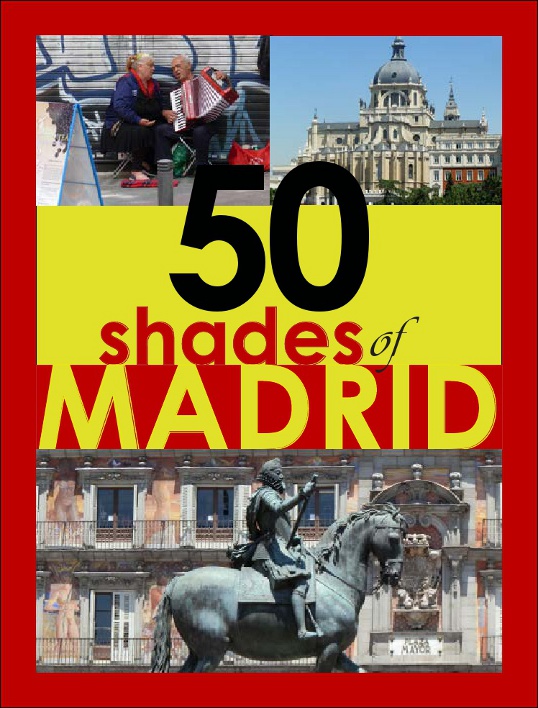
50 shades of Madrid
Blending the historical past with the modern present, this neighbourhood thrives in the middle of Madrid, housing the roots of Catholicism in Madrid, the Royal Palace, and Plaza del Puerta del Sol, quite literally the heart of Madrid. It is here that tourist and natives will cross paths to experience some of the greatest things Madrid has to offer. Surrounded by the ceaseless sounds of city life, this neighbourhood oozes energy and allows any traveler to get a taste of Madrid that spans the centuries. Revel in the splendor left over from the Hapsburg Dynasty’s rule from the 16th-18th centuries. Grab a bocadillo calamares at Plaza Mayor, the old local gathering spot for madrileños. Get a taste of all the flavors of Madrid in this essential starting point for any visit to the city.
Los Austrias, Centro, & Sol
view sample
download travel guide
Curso eG/CTR Travel Writing Team Madrid 2012
Los Austrias, Centro, & Sol
view sample
download travel guide
Curso eG/CTR Travel Writing Team Madrid 2012
Labels:
auslandspraktikum,
citytravelreview,
curso,
curso24,
eg,
journalismus,
journalistik,
madrid,
praktikum,
reisejournalismus,
studium,
travel,
writing
Dienstag, 10. Juli 2012
Top Tips Madrid
As Madrid is a city which attracts thousands of tourists throughout the whole year, a few useful
tips will be really helpful - especially for those who are visiting the Spanish capital for the first
time. There are hundreds of things to say about the Spanish culture which can be found in Madrid. However, the following are the most essential tips and distinctive features of Spanish people that might catch your attention. These are often very different from the habits of tourists, and therefore they will be useful to know in advance.
Whilst many cultures queue and wait to be acknowledged, forming a proper queue is quite
unusual in Spain. In fact, Spanish people tend to mass together and therefore jump the
queue. This happens in shops, bars, bus and train stops, and all public buildings where a lot
of people tend to gather together with no particular order, and those who are in more of a
hurry or simply louder get served first. Unlike people belonging to many other cultures who
will stand in a queue, quietly and patiently, in Spain they will strike up a conversation.
Therefore tourists, and in particular those who are more used to forming an orderly queue,
should learn how to play the game and win during their stay in Madrid!
The importance of direct contact is another peculiarity of the Spanish culture, where social
interaction is fundamental. This includes the local habit of introducing yourself and saying
goodbye by kissing on the cheek and very often touching whilst talking as a sign of
approval and establishing friendly contact (i.e. touching you on the shoulder). The atmosphere when you go shopping is of a continuous social network, where people have time for each other and speed does not really matter. So even if Madrid is an extended capital city, here you do not get the impression that people are stressed or in a hurry. Here you can always find some very traditional corner where the common and widely-known Spanish spirit of being friendly and laid back is preserved. As in many other tourist cities, pickpockets are always waiting in ambush. This happens especially in the most crowded and tourist areas of the city such as squares and main streets, as well as on public transport and shopping areas.
Asking Spanish people for directions may be tricky and confusing for tourists, as Spanish people seem to have a different and particular conception of distance! It is very likely that
when you ask local people for directions, you will be told “Est. justo al lado” (“It is just round
the corner”), and after a while you may realise the place is actually far away! Or it could be the
other way round: you might be told a place is too far to walk, when the place was quite close
and definitely walkable!
view sample
CTR Curso eG Travel Writing Team Madrid 2012
tips will be really helpful - especially for those who are visiting the Spanish capital for the first
time. There are hundreds of things to say about the Spanish culture which can be found in Madrid. However, the following are the most essential tips and distinctive features of Spanish people that might catch your attention. These are often very different from the habits of tourists, and therefore they will be useful to know in advance.
Whilst many cultures queue and wait to be acknowledged, forming a proper queue is quite
unusual in Spain. In fact, Spanish people tend to mass together and therefore jump the
queue. This happens in shops, bars, bus and train stops, and all public buildings where a lot
of people tend to gather together with no particular order, and those who are in more of a
hurry or simply louder get served first. Unlike people belonging to many other cultures who
will stand in a queue, quietly and patiently, in Spain they will strike up a conversation.
Therefore tourists, and in particular those who are more used to forming an orderly queue,
should learn how to play the game and win during their stay in Madrid!
The importance of direct contact is another peculiarity of the Spanish culture, where social
interaction is fundamental. This includes the local habit of introducing yourself and saying
goodbye by kissing on the cheek and very often touching whilst talking as a sign of
approval and establishing friendly contact (i.e. touching you on the shoulder). The atmosphere when you go shopping is of a continuous social network, where people have time for each other and speed does not really matter. So even if Madrid is an extended capital city, here you do not get the impression that people are stressed or in a hurry. Here you can always find some very traditional corner where the common and widely-known Spanish spirit of being friendly and laid back is preserved. As in many other tourist cities, pickpockets are always waiting in ambush. This happens especially in the most crowded and tourist areas of the city such as squares and main streets, as well as on public transport and shopping areas.
Asking Spanish people for directions may be tricky and confusing for tourists, as Spanish people seem to have a different and particular conception of distance! It is very likely that
when you ask local people for directions, you will be told “Est. justo al lado” (“It is just round
the corner”), and after a while you may realise the place is actually far away! Or it could be the
other way round: you might be told a place is too far to walk, when the place was quite close
and definitely walkable!
view sample
CTR Curso eG Travel Writing Team Madrid 2012
Labels:
ausbildung,
auslandspraktikum,
curso,
curso24,
eg,
gap,
journalismus,
journalistik,
madrid,
programme,
reisejournalismus,
spanien,
studium,
travel,
writing
Abonnieren
Posts (Atom)